How Modern Businesses Are Building Scalable Teams Without Traditional Hiring
Hiring has changed dramatically over the last few years. What once required long recruitment cycles, office space, and rigid contracts is now being replaced by more flexible, global-first hiring models. For many growing companies, traditional hiring simply can’t keep up with the pace of change.
Instead of asking “Who can we hire locally?”, modern businesses are asking a more important question: “How can we build the right team quickly without increasing risk?”
The Problem With Traditional Hiring Models
Traditional hiring often comes with hidden challenges that slow growth. Companies face long sourcing timelines, high overhead costs, and limited access to specialized talent. Even after hiring, onboarding and compliance issues can consume valuable time and resources.
According to insights shared by Harvard Business Review, organizations that rely solely on rigid workforce models struggle to adapt in fast-changing markets. This lack of flexibility makes it harder to scale efficiently or respond to new opportunities.
For startups and scaling businesses, these limitations can become growth blockers rather than support systems.
Why Global Talent Has Become a Competitive Advantage
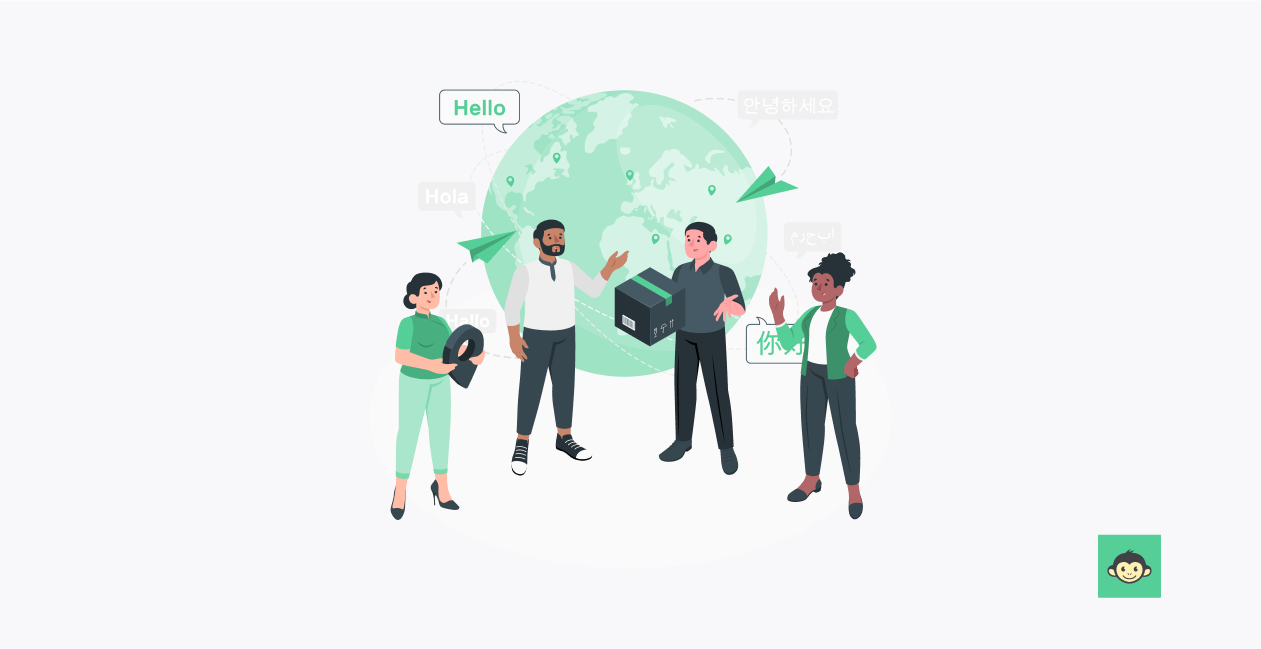
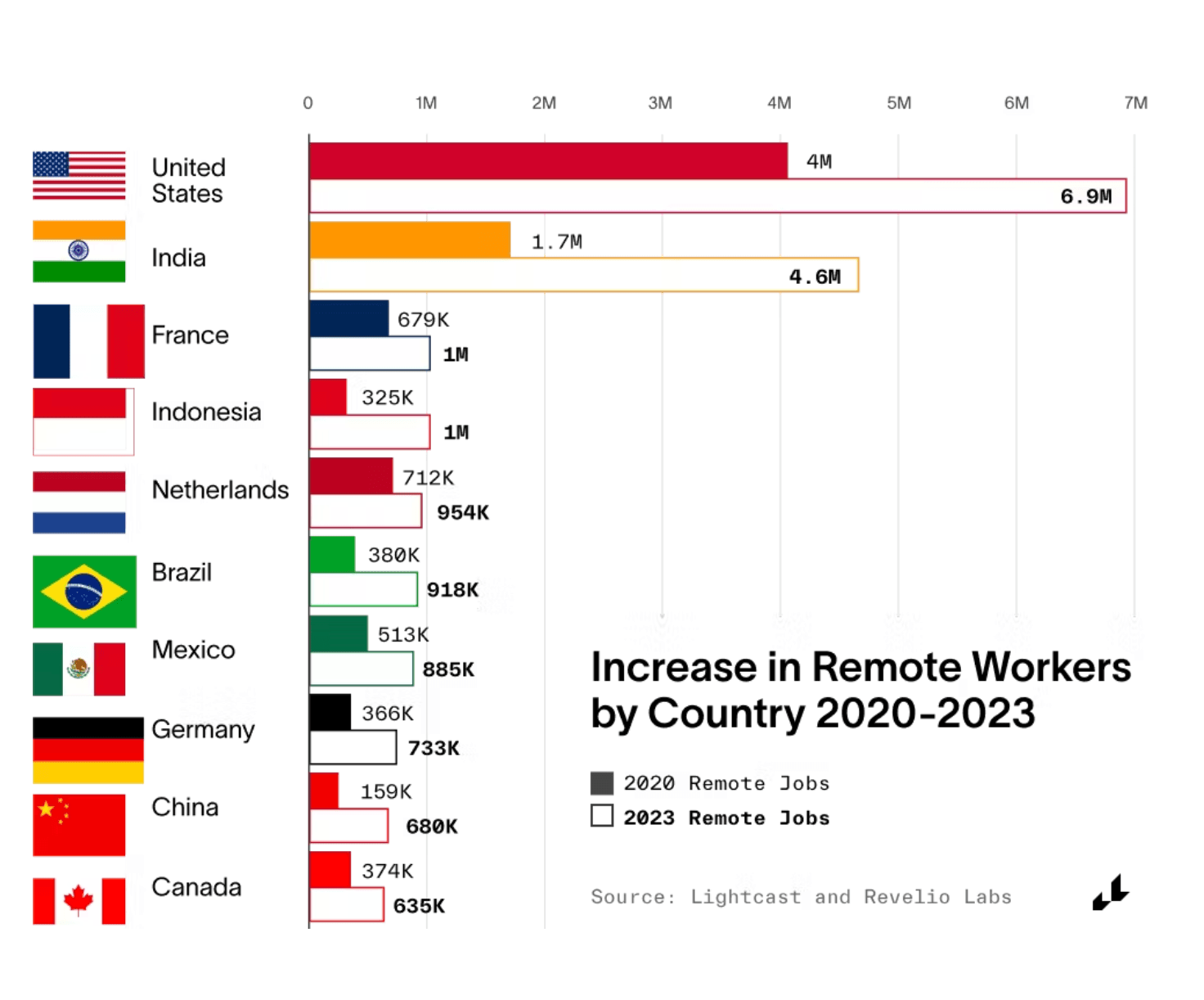
Remote work has unlocked access to skilled professionals worldwide. Instead of competing in crowded local job markets, companies can now tap into global talent pools where skills are abundant and hiring timelines are shorter.
This shift allows businesses to:
Hire based on expertise rather than location
Scale teams faster for projects or growth phases
Reduce operational overhead
Build more diverse and resilient teams
Research and advisory firms like Gartner have consistently highlighted flexibility and distributed teams as key drivers of long-term organizational resilience.


The Rise of Structured Remote Staffing
While global hiring offers clear benefits, success depends on structure. Simply hiring remote workers without a proper system can lead to misalignment, high turnover, and compliance risks.
This is where structured remote staffing models are making a difference. Instead of handling recruitment internally, companies partner with specialists who manage sourcing, screening, onboarding, and compliance across borders.
Agencies like CrewBloom, a remote recruitment agency, operate in this space by helping businesses build vetted global teams without long-term contracts. By managing the full recruitment lifecycle, these models allow companies to focus on execution and growth rather than administrative complexity.
Cost Efficiency Without Sacrificing Quality
One of the biggest misconceptions about remote staffing is that it’s only about cost savings. In reality, the real value comes from efficiency and consistency.
Companies reduce costs not just by accessing global markets, but by:
Shortening time-to-hire
Reducing rehiring cycles
Avoiding compliance mistakes
Minimizing management overhead
When hiring systems are structured properly, businesses can maintain quality standards while keeping budgets predictable.
Building Teams for Long-Term Growth
High-performing teams aren’t built overnight. Whether remote or in-house, they require clear expectations, proper onboarding, and ongoing support.
The companies seeing the most success with remote staffing treat it as a long-term strategy rather than a quick fix. They invest in communication processes, performance alignment, and collaboration tools that allow distributed teams to work seamlessly across time zones.
This mindset shift from “filling roles” to “building systems” is what separates sustainable growth from short-term hiring success.
Final Thoughts
Modern businesses are rethinking how they hire because traditional models no longer fit today’s pace. Global talent, flexible staffing, and structured recruitment processes are becoming essential tools for scaling efficiently.
Companies that embrace these approaches aren’t just saving time or money but in actual they’re building organizations designed to adapt, grow, and compete in a borderless world.
Comments
Post a Comment